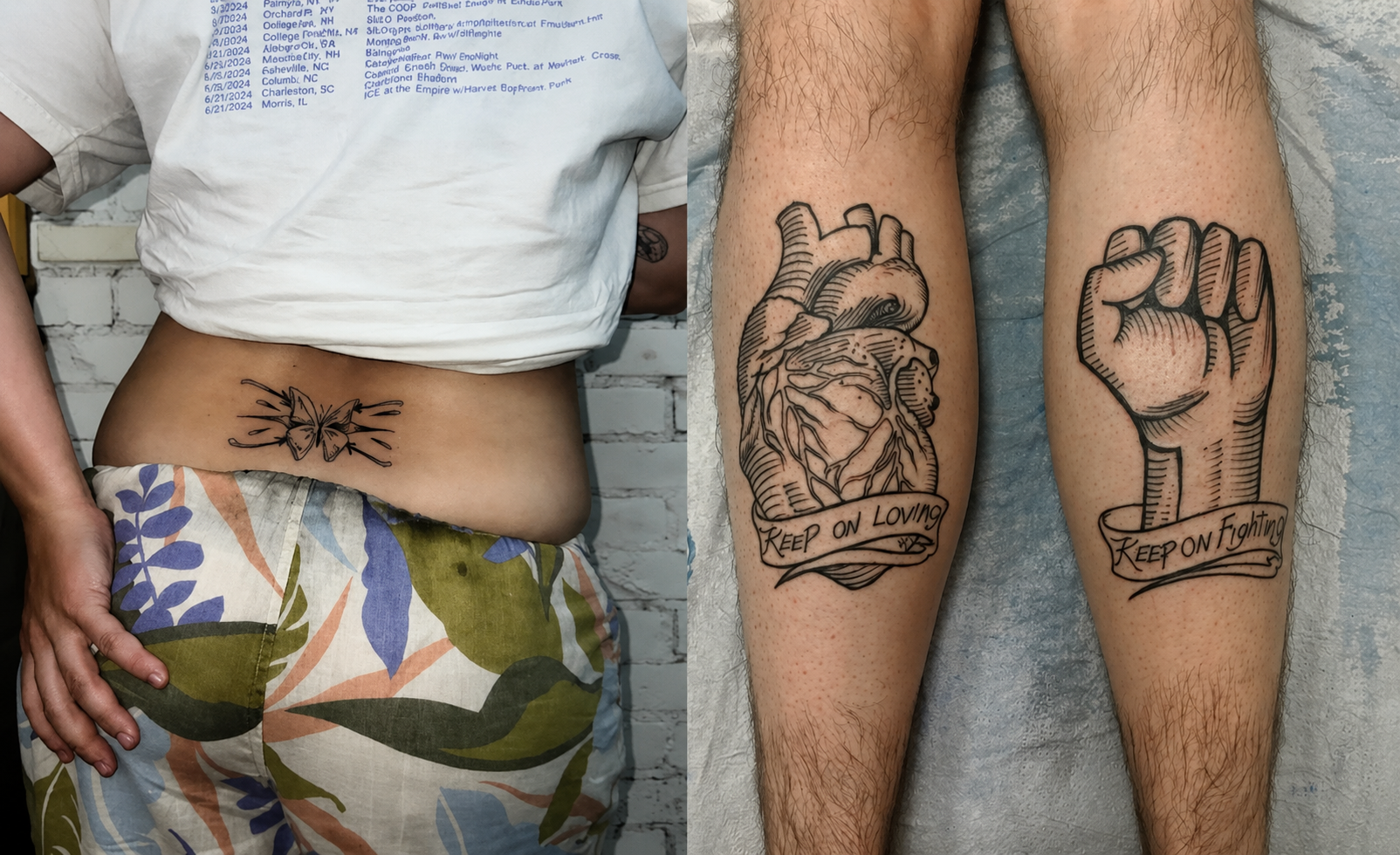
A Fisting Tattoo represents a unique form of body art that often attracts attention because of its bold imagery and strong personal meanings. Like many tattoo styles, this design can carry different interpretations depending on the person who chooses it. Some people connect it with strength, confidence, rebellion, personal identity, or a specific cultural reference, while others simply appreciate its unusual visual style. Understanding the background, symbolism, and artistic approach behind this tattoo helps people view it beyond its surface appearance.
Understanding the Meaning Behind This Tattoo Style
Tattoos often tell personal stories, and the meaning behind a design depends heavily on the wearer’s experiences and intentions. A person may choose a hand-related symbol because they associate it with power, determination, or self-expression. Artists also explore different visual elements to create designs that reflect individual personalities.
The symbolism of a fisting tattoo can vary widely. In some contexts, people use similar imagery to represent strength, resistance, or a fearless attitude. In other situations, the design may connect with personal beliefs, humor, or a specific community identity. Because tattoos remain permanent forms of expression, many people carefully consider the message they want their artwork to communicate.
The Artistic Side of Creating a Tattoo Design
Tattoo artists focus on several important details when they create complex designs. They study placement, line quality, shading techniques, and overall balance to produce a visually appealing result. A skilled artist can transform a simple concept into a detailed piece that matches the wearer’s vision.
Choosing the Right Style
Different tattoo styles can change the overall impression of a design. Some people prefer realistic artwork with detailed textures, while others choose traditional, minimalist, or abstract approaches. The chosen style influences how viewers interpret the final tattoo.
A realistic approach may highlight details and create a powerful visual effect. A traditional style may use stronger outlines and classic tattoo elements. A minimalist design may communicate a simple idea with fewer details. Each approach allows the wearer to express a different personality and message.
Considering Tattoo Placement
Placement plays an important role in how a tattoo appears. Areas such as the arm, shoulder, chest, or back provide different spaces for artists to work with. Larger areas allow more detailed designs, while smaller locations may suit simpler artwork.
People should also consider their lifestyle, professional environment, and personal comfort before selecting a placement. A thoughtful decision helps the tattoo remain meaningful and suitable for the long term.
Personal Expression and Individual Meaning
Many individuals choose tattoos because they want to represent an important part of their identity. Body art can capture memories, personal challenges, achievements, or beliefs. A design that appears unusual to one person may hold deep emotional value for another.
The meaning behind a fisting tattoo often depends on the story connected to it. Some wearers view it as a symbol of confidence and control, while others may connect it with a personal experience or artistic preference. The wearer ultimately gives the design its strongest meaning.
Social Perception and Modern Tattoo Culture
Modern tattoo culture has expanded significantly, and people now view body art in more diverse ways than in previous generations. Tattoos appear across many communities, professions, and creative spaces. This change has encouraged more open conversations about the reasons people choose specific designs.
However, unusual tattoo choices can still create different reactions from different audiences. Some people appreciate creative expression, while others may misunderstand unfamiliar symbols. Clear communication and personal confidence often help individuals feel comfortable with their choices.
How to Choose a Professional Tattoo Artist
Selecting an experienced tattoo artist remains one of the most important steps in the tattoo process. A professional artist understands hygiene standards, design preparation, and technical skills. They also help clients adjust ideas so the final artwork matches their expectations.
Before choosing an artist, people should review previous work, discuss design ideas, and ask questions about the process. A good artist listens carefully and provides guidance while respecting the client’s vision.
Keep Reading: Kage Cho: Early Life and Personal Journey
Tattoo Care and Long-Term Maintenance
Proper aftercare helps protect a new tattoo and supports healthy healing. People should follow the instructions provided by their tattoo artist, keep the area clean, and avoid actions that may damage the healing skin.
Long-term care also matters because tattoos can change over time. Protecting the skin from excessive sun exposure and maintaining overall skin health can help preserve the quality of the artwork.
Conclusion
A Fisting Tattoo can represent many different ideas, from personal strength and individuality to artistic creativity and self-expression. The meaning depends on the person who wears it and the story behind the design. While some people may view the imagery differently, thoughtful design choices and professional tattoo work can create a meaningful piece of body art.
Choosing a tattoo requires careful consideration of symbolism, placement, style, and long-term commitment. When people approach the process with research and confidence, they can create artwork that reflects their personality and values.