How a Career-Changing Role Revealed an Artist We Never Saw Coming
When Television Found Its Voice—Through Rachel Patton’s Silent Struggle
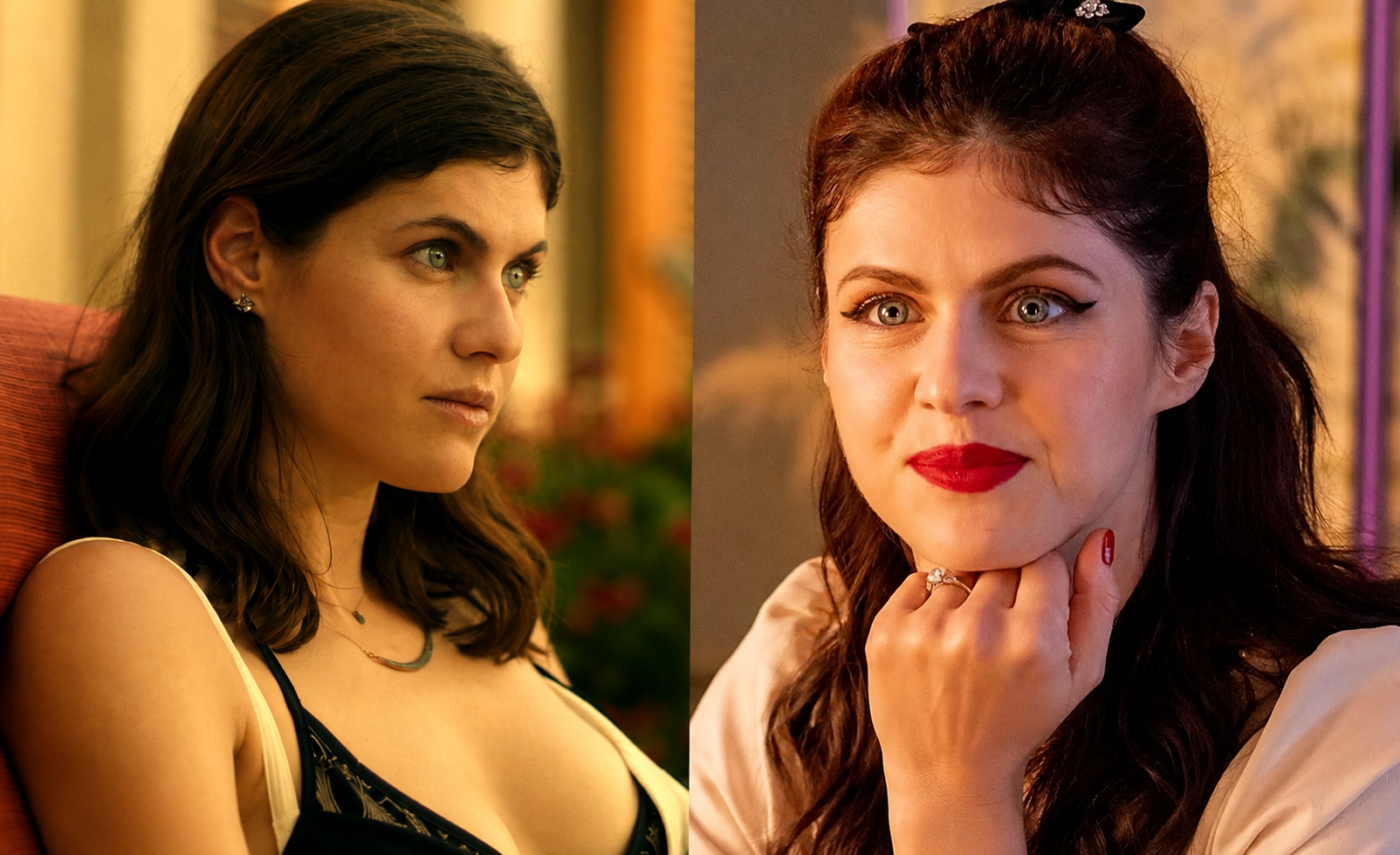
In the summer of 2021, as HBO premiered a darkly comedic anthology series about wealth, privilege, and the illusion of paradise, audiences became captivated by more than just the stunning Hawaiian resort backdrop. Alexandra Daddario’s portrayal of Rachel Patton in Season 1 of The White Lotus became a cultural phenomenon, but for reasons that transcended physical appearance. While many remember the iconic bikini scene, what truly distinguished Alexandra Daddario’s performance was her extraordinary ability to convey profound emotional vulnerability through subtle facial expressions, meaningful pauses, and the weight of unspoken yearning. Rachel Patton—the newlywed trapped in a marriage that promised everything but delivered emotional emptiness—became a mirror through which millions of viewers, particularly women, saw themselves reflected. This exploration examines how Alexandra Daddario transformed what could have been a superficial role into a masterclass in dramatic performance, proving that true artistry lies not in what is revealed, but in what remains hidden beneath the surface. The White Lotus showcased Alexandra Daddario as a serious, Emmy-nominated actress, marking a pivotal turning point in a career that had been searching for its authentic voice.
The Journey to Rachel Patton: Alexandra Daddario’s Path Before The White Lotus
Before Alexandra Daddario White Lotus became synonymous with critical acclaim and Emmy nominations, the actress spent two decades navigating Hollywood’s treacherous waters. Beginning her career at age 16 with a role on the soap opera All My Children, Alexandra Daddario built an impressive resume that included the Percy Jackson film series, appearances in True Detective, and roles in blockbuster films like San Andreas and Baywatch. Yet despite her consistent work and undeniable talent, Alexandra Daddario often found herself typecast—her striking physical appearance frequently overshadowing her acting capabilities. This limitation, though certainly not uncommon in Hollywood, created a ceiling that prevented deeper creative exploration. By 2020, Alexandra Daddario admitted to feeling lost professionally. She confessed to Women’s Health magazine that in the couple years prior to the pandemic, she knew the work she needed to be doing, but it simply wasn’t happening. This vulnerability, this admission of professional struggle, would paradoxically become the emotional foundation for her greatest performance.
The timing of The White Lotus couldn’t have been more serendipitous. Amid the COVID-19 pandemic, when much of the entertainment industry ground to a halt, Alexandra Daddario received the script for Mike White’s darkly satirical series. The only constraint: she couldn’t leave the Four Seasons hotel in Hawaii where production was taking place. For an actress who had been struggling to find meaningful work and fighting against typecasting, this became an unexpected gift. Isolated at the resort, stripped of external distractions, Alexandra Daddario could fully inhabit Rachel Patton’s isolation and emotional imprisonment.
???? CAREER TURNING POINT: Alexandra Daddario White Lotus marked her first Emmy nomination after 20 years in the industry and more than 50 acting credits. The role demonstrated that she possessed depths of emotional capacity that previous projects had never required or revealed.| ???? CAREER STARTFirst Role:Age 16Breakout:Percy Jackson FilmsNotable Roles:True Detective, San Andreas, Baywatch | ???? RACHEL PATTONRole:Main CharacterSeason:Season 1 (2021)Status:Newlywed in Crisis | ???? CHARACTER COREEmotional State:Trapped & MisunderstoodCore Conflict:Emotional vs. MaterialKey Line:”I Promise I’ll Be Happy” | ⭐ RECOGNITIONEmmy Nomination:Supporting ActressAchievement:First Emmy NominationResponse:Universal Critical Praise | ???? BREAKTHROUGHArtistic Depth:Emotional ComplexityImpact:Career TransformationFuture:Mayfair Witches & Beyond | ???? CULTURAL IMPACTResonance:Women WorldwideMessage:Female VulnerabilityLegacy:Iconic Television Moment |
The Art of Subtlety: How Alexandra Daddario Crafted Rachel Patton’s Inner World
The brilliance of Alexandra Daddario’s portrayal of Rachel Patton lies not in dramatic outbursts or obvious emotional displays, but in the masterful restraint that conveyed profound psychological distress. Throughout The White Lotus, Rachel exists in a constant state of internal conflict—caught between her desire to be the perfect wife and her desperate need to be understood. Alexandra Daddario expressed Rachel’s emotional turbulence through minimal gestures: the way her eyes search for recognition, the barely perceptible tightening around her mouth when hearing criticism, the weight she carries in her posture when standing near her husband Shane. This nuanced performance demanded that viewers read between the lines, making the emotional impact all the more powerful.
Alexandra Daddario Instagram
Alexandra Daddario dove into Rachel Patton’s psyche by approaching the character from a place of profound sympathy. Rather than viewing Rachel as flawed or demanding, the actress understood her as a woman suffocating under the weight of impossible expectations. This sympathetic interpretation transformed potential audience judgment into understanding. When Rachel attempts to communicate her emotional needs and is met with dismissal, Alexandra Daddario captures the precise moment of resignation—the split second when hope evaporates and she accepts her fate. This is particularly evident in Rachel’s final promise: “I promise I’ll be happy.” Delivered with haunting resignation, the line acknowledges a fundamental tragedy—she will spend her life performing happiness rather than experiencing it.
???? PERFORMANCE INSIGHT: Alexandra Daddario White Lotus character resonates deeply because Rachel's struggle mirrors reality for countless women—the pressure to be grateful, the guilt for wanting more, the fear of being perceived as difficult or ungrateful. This authenticity elevates the performance from entertainment to social commentary.
Breaking the Typecasting Barrier: Alexandra Daddario White Lotus as Career Catalyst
For years, Alexandra Daddario was pigeonholed as “the beautiful actress”—a talented performer trapped by beauty-based typecasting that prevented meaningful creative exploration. Films like Baywatch, while commercially successful, offered little opportunity for the kind of character depth that The White Lotus demanded. Alexandra Daddario herself expressed anxiety about Baywatch potentially ending her career, revealing her awareness that physical roles could become ceiling rather than stepping stones. The White Lotus shattered that ceiling. By casting her in a role that required emotional vulnerability rather than physical prominence, series creator Mike White demonstrated faith in her capabilities that the industry had largely withheld.
The success of Alexandra Daddario White Lotus performance opened previously closed doors. Following the series, she landed a lead role in AMC’s Mayfair Witches series, demonstrating that directors and producers now saw her as a serious actress capable of anchoring complex narratives. This career trajectory shift cannot be overstated—from struggling actress in the couple years before the pandemic to Emmy-nominated performer recognized for extraordinary dramatic work. Alexandra Daddario expressed profound gratitude for this acknowledgment, noting that after 20 years in the industry, receiving this validation meant everything. The White Lotus didn’t just give Alexandra Daddario a great role; it repositioned her in Hollywood’s consciousness as an artist worthy of meaningful material.
???? CAREER INFLECTION: The Emmy nomination for Alexandra Daddario White Lotus role represented not just individual achievement but broader industry shift—recognition that beauty and talent are not mutually exclusive, that physical presence need not overshadow acting ability.

The Cultural Resonance: Why Millions Connected with Rachel Patton
Beyond critical acclaim, Alexandra Daddario White Lotus performance achieved something more significant—it created a cultural touchstone. Women across the globe saw themselves in Rachel Patton: the pressure to perform gratitude, the guilt for wanting emotional fulfillment alongside material success, the fear of being labeled difficult or demanding. Alexandra Daddario acknowledged that she personally identified with Rachel’s emotional struggle, having said similar things to boyfriends in her own life. This personal connection informed every moment of the performance, creating authenticity that transcended scripted dialogue.
Alexandra Daddario’s White Lotus character became a symbol for broader conversations about female agency, emotional labor, and the impossible contradictions women navigate. The actress never played Rachel as villain—she never allowed audiences to dismiss her as selfish or ungrateful. Instead, she insisted on Rachel’s humanity, her validity, her right to want more than financial security. This refusal to allow Rachel to be diminished or dismissed is a fundamental act of feminist storytelling. Alexandra Daddario understood that the most revolutionary performance she could give was one that treated a struggling woman with complete seriousness and dignity.
The Enduring Legacy: Why Alexandra Daddario White Lotus Will Remain Iconic
Alexandra Daddario’s performance as Rachel Patton in The White Lotus represents far more than a single memorable television moment—it stands as a watershed moment in contemporary television. The role proved that an actress can be undeniably beautiful without that beauty defining or diminishing her artistic credibility. It demonstrated that physical vulnerability and emotional vulnerability are not equivalent, and that the truest form of exposure is psychological rather than physical. Alexandra Daddario White Lotus success challenged rigid industry expectations about typecast actresses and proved that second acts are possible when given the right material and creative partnership. Most importantly, through Rachel Patton’s unforgettable journey, Alexandra Daddario spoke to millions of people about the feminine experience—the constant negotiation between desire and duty, authenticity and performance, self and sacrifice. Years from now, The White Lotus Season 1 will be remembered as the moment Alexandra Daddario transcended her prior career limitations and emerged as the serious, Emmy-nominated artist she had always possessed the potential to become. The bikini scene will fade from memory, replaced by the indelible image of Rachel Patton’s resigned promise: “I promise I’ll be happy.” In those four words, delivered with heartbreaking resignation by Alexandra Daddario, lies the entire tragedy of human compromise—and the extraordinary power of an actress finally allowed to show the world what she could truly do.
━━━━━━━━━━━━━━━━━━━━━━━━━━━━━━━━━
Television Performance, Emmy Award, Career Analysis, Character Study, Female Representation | Last Updated: July 2026